René Estermann on KlimUp
How Zurich is Boosting Climate-Tech Startups
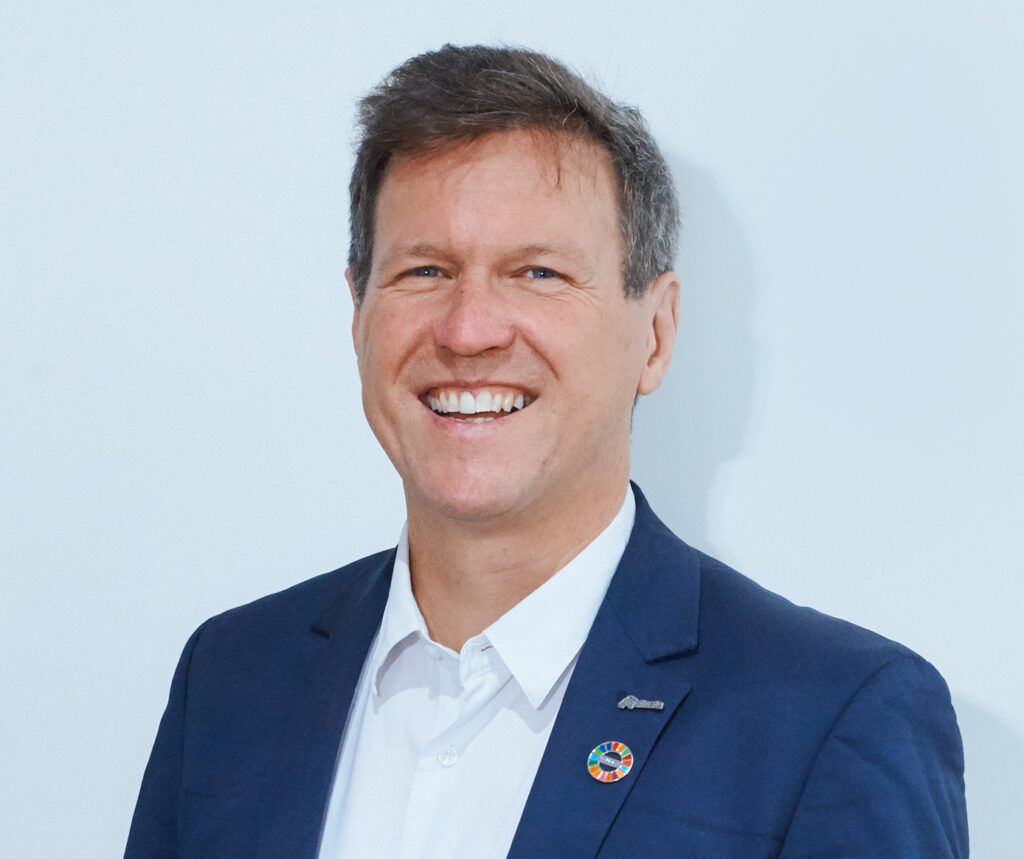
René Estermann, Director of Environmental & Health Protection at the City of Zurich (UGZ)
René Estermann: Driving Climate Innovation in Zurich
As Director of Environmental and Health Protection for the City of Zurich, René Estermann plays a key role in shaping the city’s sustainability strategy. A major part of his mission is supporting initiatives like KlimUp, a program dedicated to accelerating early-stage climate-tech startups and nonprofit organizations in the Zurich area.
In this exclusive interview, René Estermann shares his insights on KlimUp, its impact, and why supporting climate entrepreneurs is crucial for a sustainable future.
René Estermann’s Insights on KlimUp:
Could you give us a brief overview of the KlimUp program and its primary objectives?
The KlimUp program is designed to support early-stage climate-tech startups and nonprofit organizations located in the Zurich Area. Its main goals are to help Zurich achieve its net-zero emissions target by 2040, to promote the intelligent use of resources and to develop the climate business cluster in Zurich as an economic opportunity.
What motivated the establishment of the KlimUp program, and what gaps in the market does it aim to fill?
KlimUp was created to foster innovation in climate technology, particularly in areas where startups and nonprofits often struggle to secure initial funding. The program aims to bridge this gap, enabling these entities to scale their impact on Zurich and beyond.
What specific support does KlimUp offer to pre-seed climate-tech startups?
KlimUp provides selected startups with an initial grant of CHF 35’000. These then have 12 months to secure additional funding, which will be matched by the City of Zurich up to CHF 215’000; in total, they can get a grant from the city up to CHF 250’000.
How do you measure the success and impact of the KlimUp program in terms of environmental benefits and startup growth?
We measure success by tracking the milestones agreed upon with startups and nonprofits, the amount of matched funding raised, and an impact evaluation planned for 2025.
What are your long-term goals for KlimUp, and how do you envision the program evolving in the coming years?
Our long-term goals will be clearer after the 2025 evaluation, which will help us assess the program’s impact and determine the next steps. The great interest now, however, is promising for further developments after the pilot period
What inspired you personally to engage with the KlimUp program?
I inspired myself. This is because I began my entrepreneurial journey during my studies in 1990, launching my own startup and playing a significant role in developing Switzerland’s organic waste management sector over 16 years—thanks in large part to early-stage support. Following this, I spent 12 years building the myclimate foundation into a globally recognized climate solutions provider, driven by the trust and confidence of early-stage customers.
I firmly believe in the power of young people—their skills, capabilities, and ambitions—to shape a sustainable future. Furthermore, as the director of UGZ, I love to facilitate and integrate innovation and collaboration with the private sector to achieve Zurich’s environmental goals
How does your background in environmental protection and sustainability influence your approach to supporting climate-tech startups?
My personal experiences and network in environment and economy are driving my commitment to supporting innovative solutions that contribute to sustainability and address the urgent need for climate action.
What are the biggest challenges you have encountered in your career related to environmental protection and sustainability? How have you overcome them?
If there is a will or an obligation, we can make it happen. If there is no will or no obligation we have to give the motives or regulation for action – motive action! And it has to be simple!
What advice would you give to aspiring entrepreneurs in the climate-tech space who are looking to make a meaningful impact?
Focus on developing scalable solutions that can significantly reduce emissions or enhance resource efficiency, and that fit concrete desires or solve relevant problems. Direct-to-customer focus, scalability, and a strong USP.
In your opinion, what are the most promising areas within climate-tech, that startups should focus on in the next few years?
Promising areas for investment and innovation include emission reduction and removal technologies, renewable energy, and energy storage solutions. Additional growth sectors include alternative food-protein and technologies that improve resource efficiency.
How do you see the role of public-private partnerships evolving in the fight against climate change?
Public-private partnerships will become increasingly vital, as they combine the strengths of both sectors to drive large-scale climate solutions.
How can individuals and organizations get involved or support the initiatives of the KlimUp program?
Individuals and organizations can support KlimUp by partnering with startups, investing in climate-tech or participating in program activities and initiatives.
Are you a Climate Tech startup looking to scale?
Bluelion is your launchpad! We provide early-stage support and access to up to CHF 250,000 seed funding from the Stadt Zürich, helping scalable Climate Tech startups grow.